
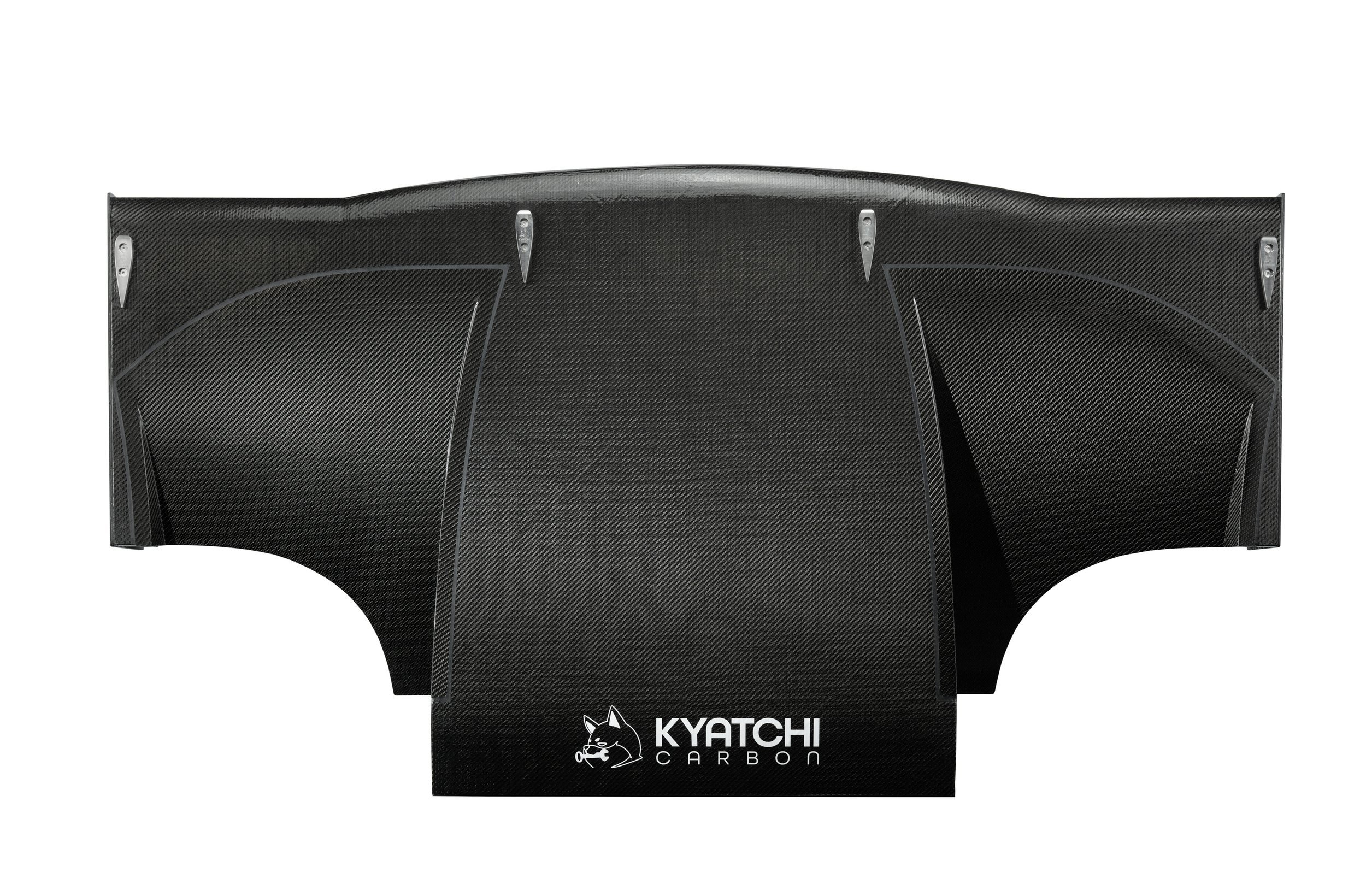
 Image 1 of 7
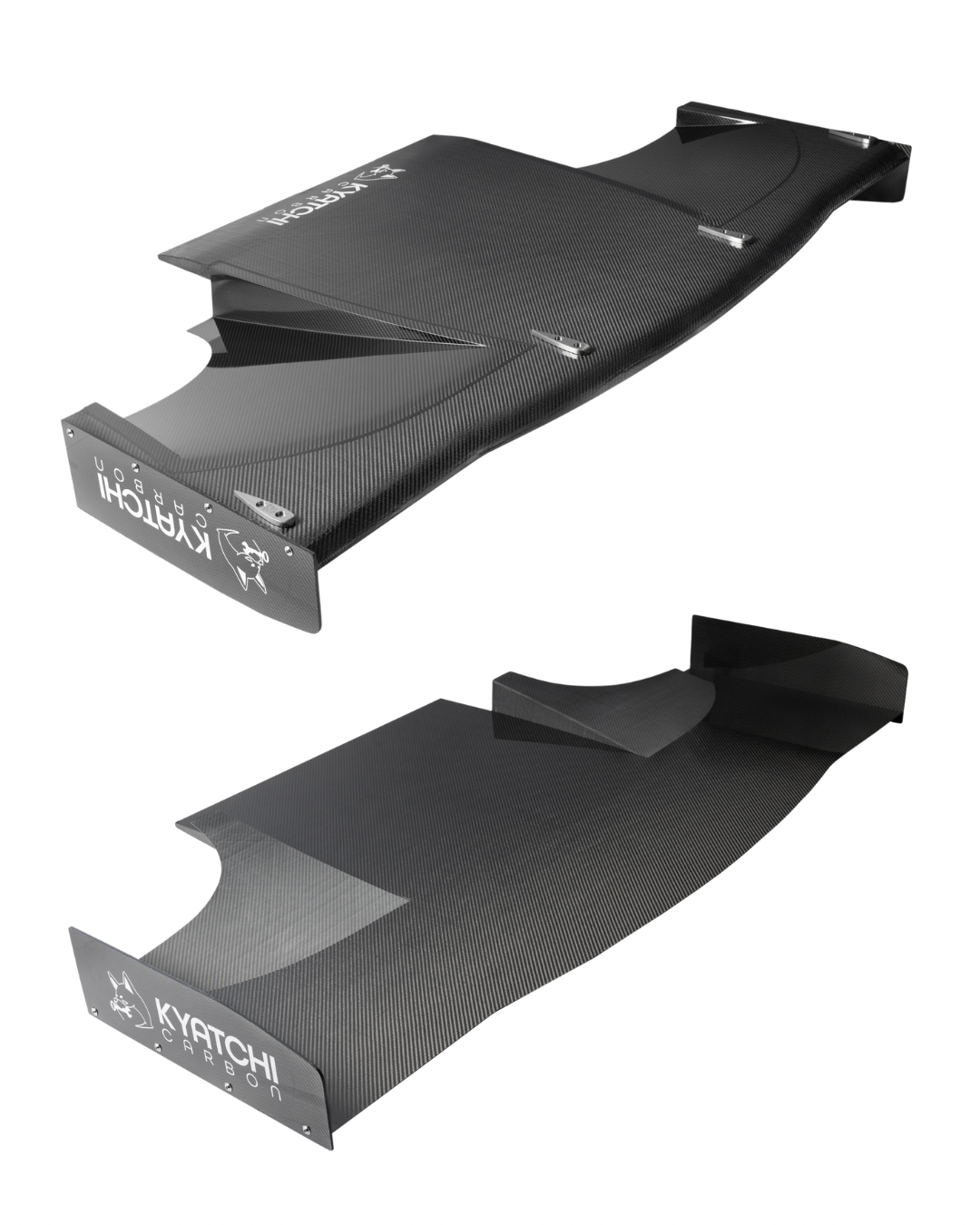 Image 2 of 7
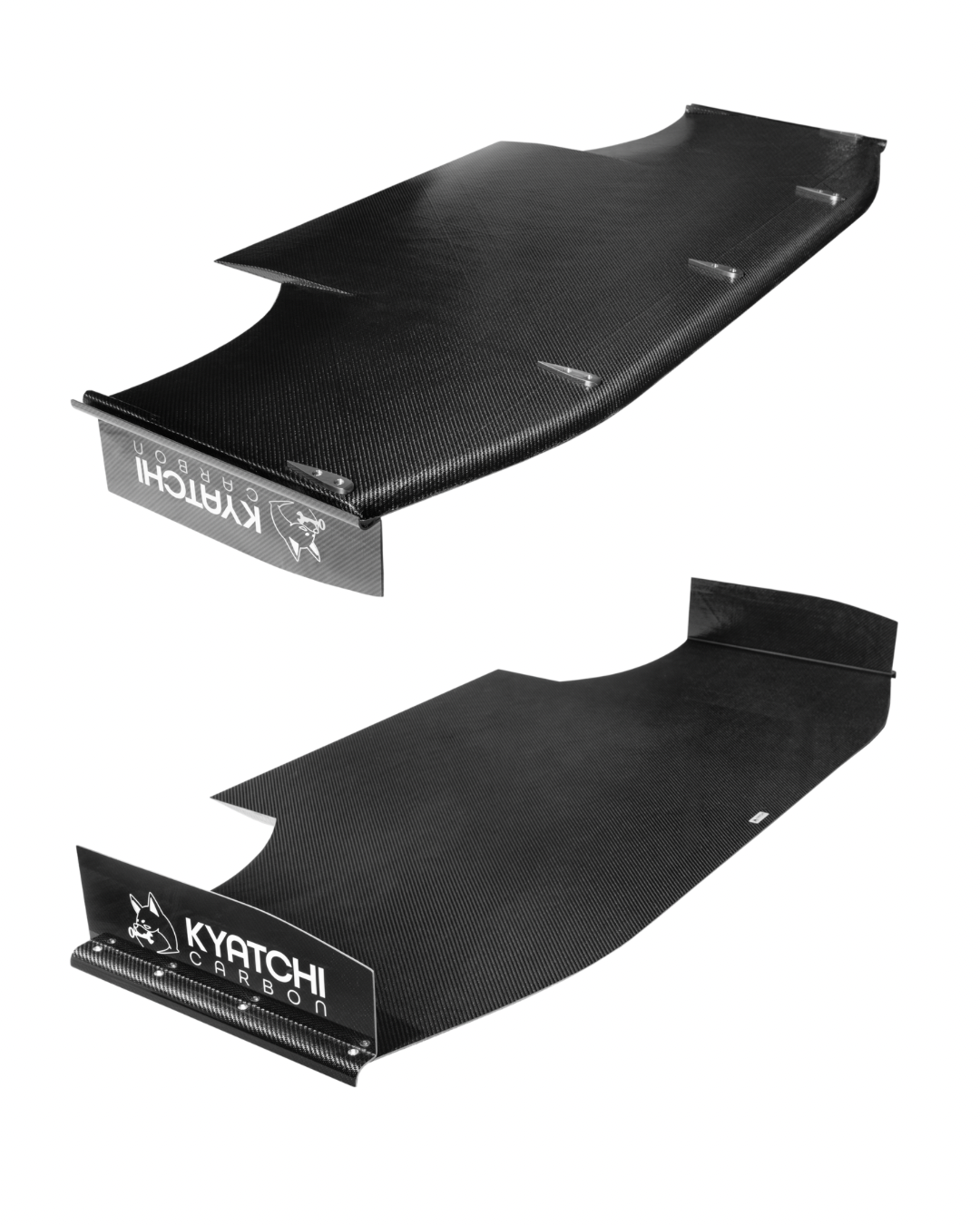 Image 3 of 7
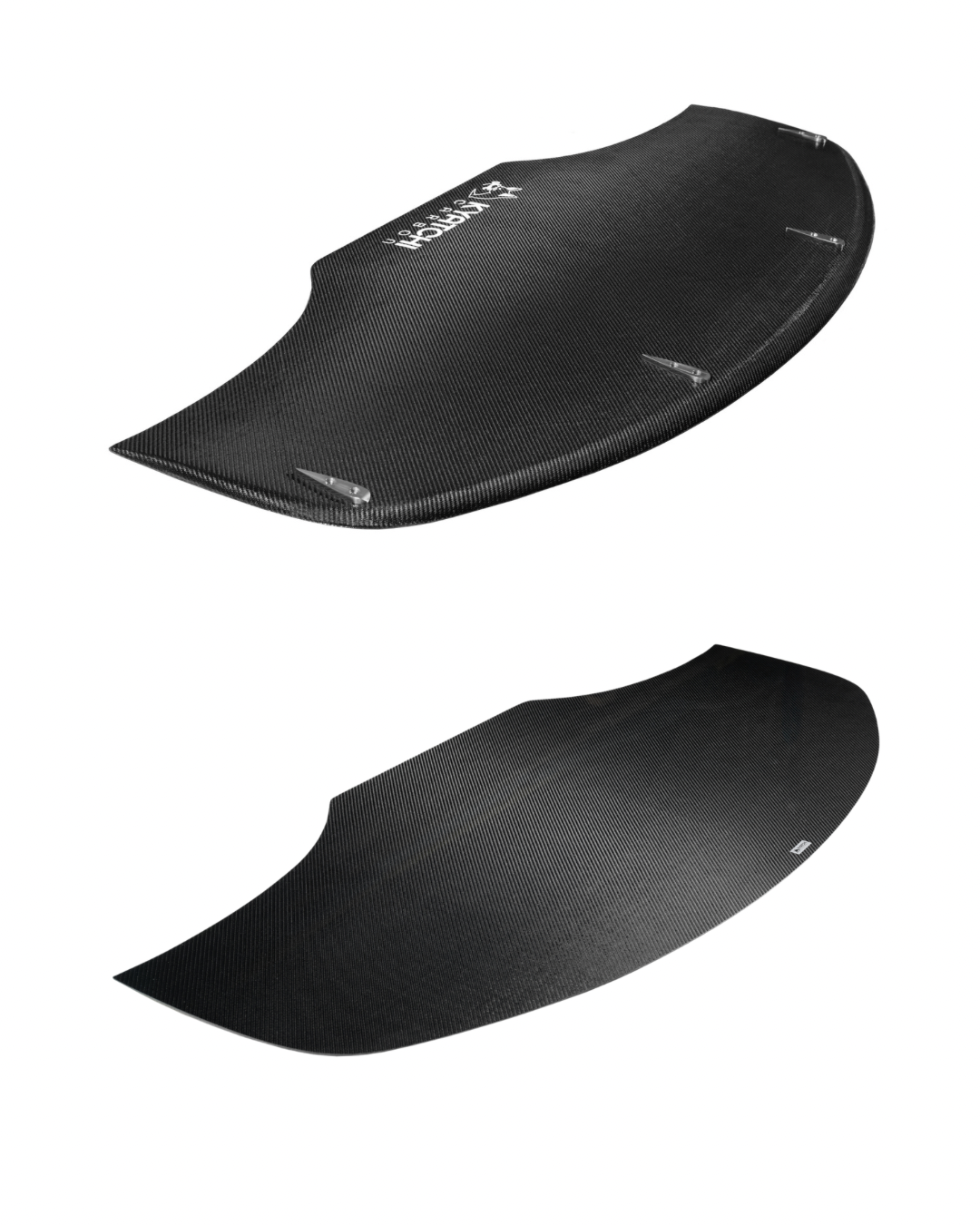 Image 4 of 7
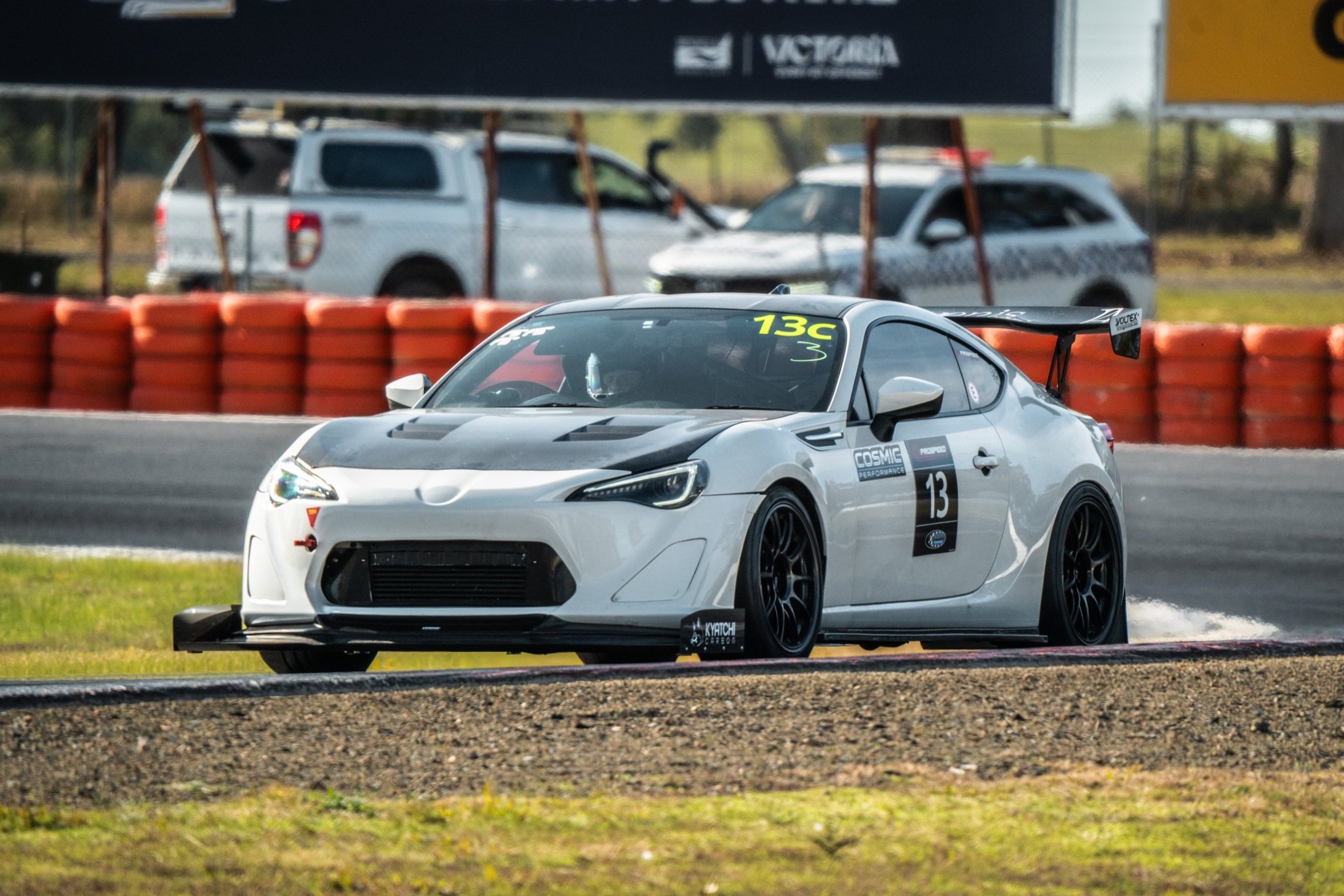 Image 5 of 7
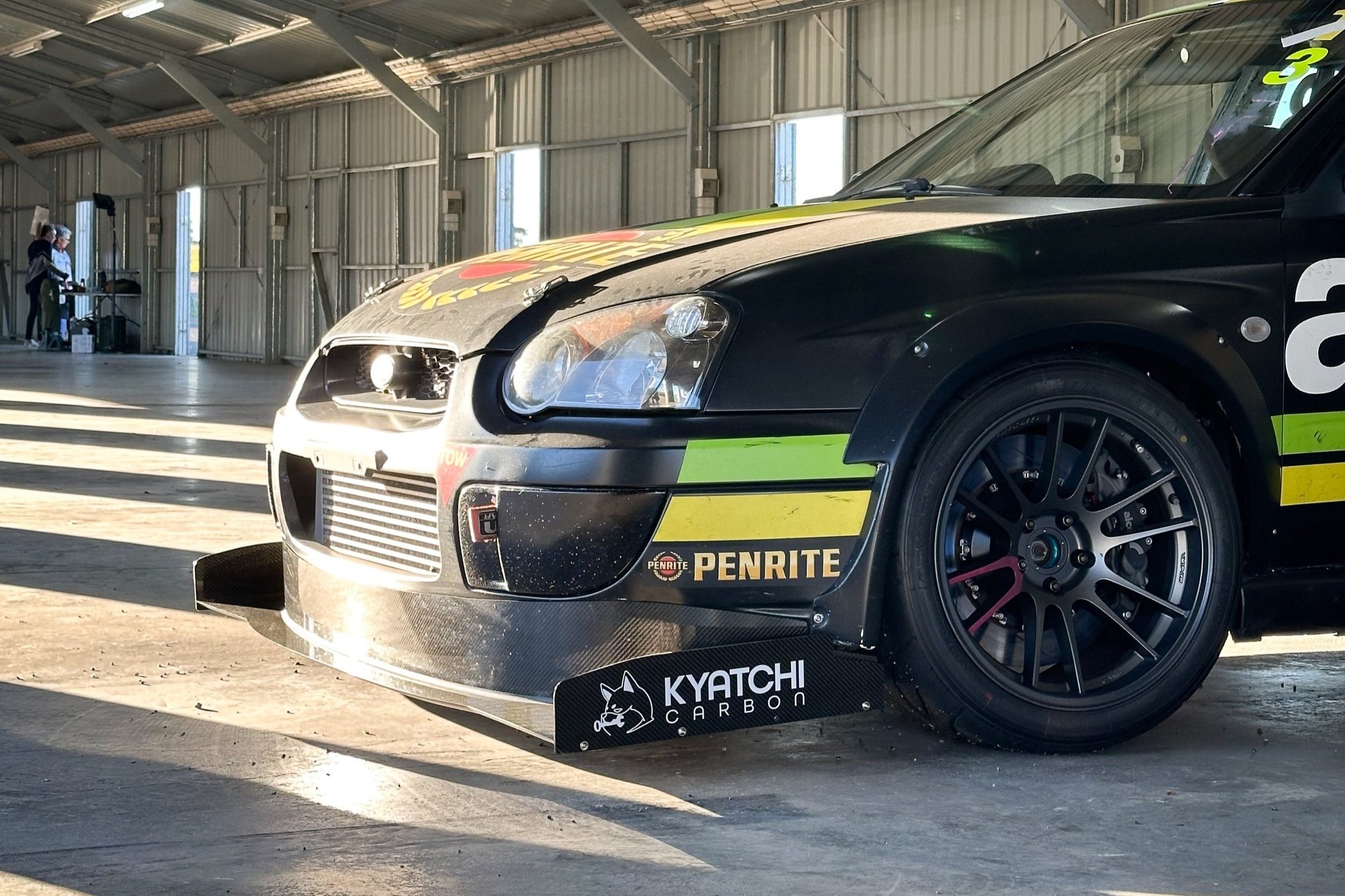 Image 6 of 7
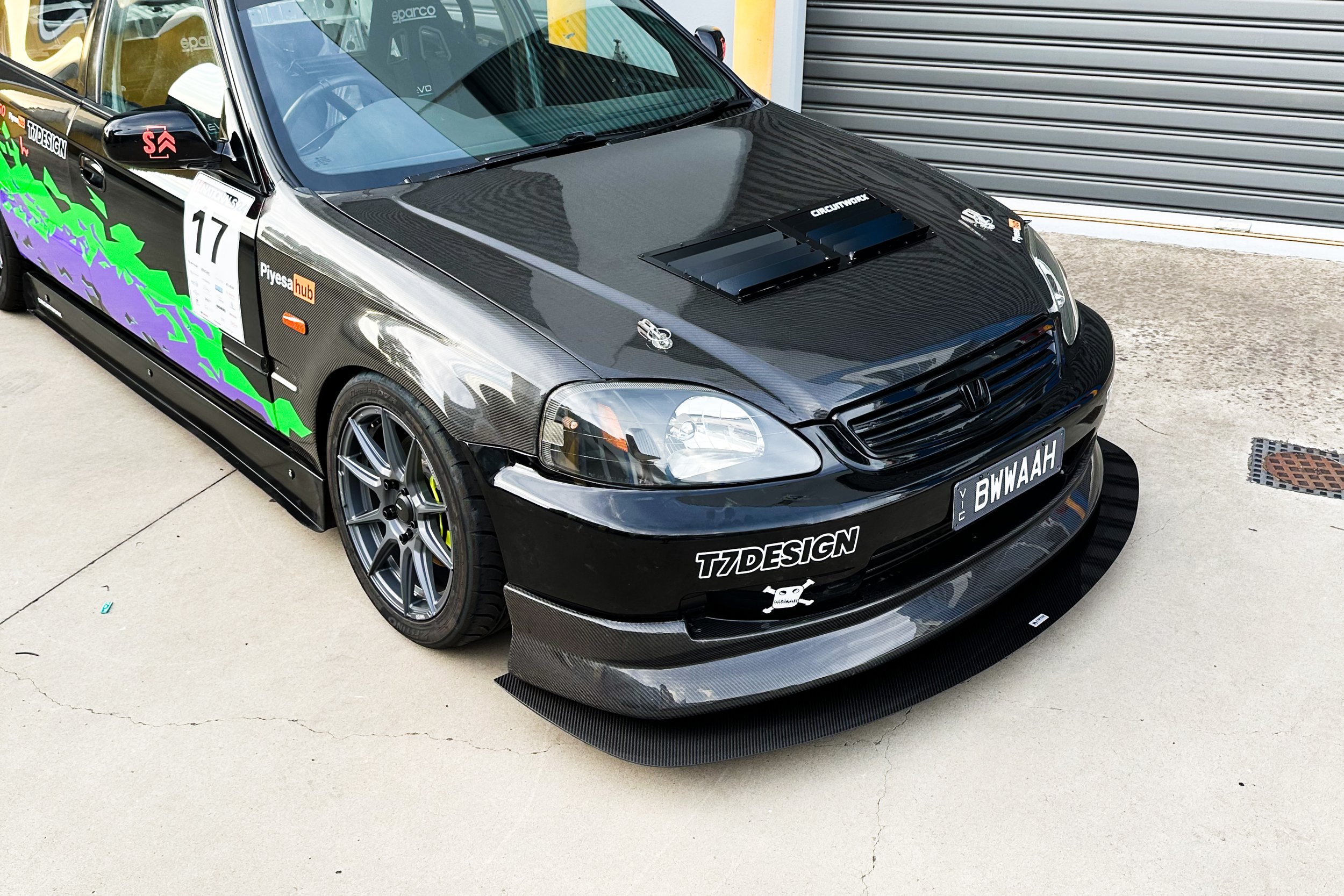 Image 7 of 7
HOW IT WORKS
Step 1: 3D Scan + Design Session (Included)
Every custom splitter starts with a 3D scan of your car. You can either drop the car off at our factory, or we’ll come to you, scan the front end, and define the splitter’s width, length, and leading edge shape and even tunnel size and spacing to maximise your class regulations. You’ll receive CAD renders to review before anything is built.
We understand that a bespoke carbon splitter is a big purchase! You can book a 3D scan and design session as a standalone service to see the plan before you commit. No strings attached. We credit the full amount toward you splitter if you decide to proceed
→ [Book Your Scan Separately]
Remote or Interstate Clients
If I can’t come out to scan your car, don’t stress. There are usually a few workarounds depending on your car, class, and how custom the splitter needs to be. We may already have a 3D scan of your car on file, or we may be able to scan the same model locally and design from that. For simpler builds, we can also walk you through the steps to make your own splitter template, then you can send it to us for production.
Reach out and we’ll work out the best path forward.
Step 2: Approve the Design
You’ll receive CAD renders to review. Nothing gets built until you’re happy.
Step 3: We Build It
The splitter foam core is CNC-cut, laid up with carbon, then vacuum infused with epoxy
- Start time: Based on your place in the queue
- Build time: Around 2–3 weeks once production begins. Production will start depending on amount of orders before you
Step 4: Install
For customers who want the splitter fitted properly from the start, we offer in-house installation at our Melbourne workshop.
Our install is a heavy duty chassis mounted setup designed for track use. The car is set up and levelled on our flat patch, then the splitter is positioned at the correct height and rake while taking ground clearance, vehicle setup and class regulations into account.
From there we design and fabricate a custom tubular chassis mounting system to suit the car. The mounts are cut, notched, test fitted and TIG welded, with structural hardpoints installed into the splitter to suit the final mounting locations. Wheel liners are trimmed and heat protection is added where required.
Splitter installation: $3,850 inc GST
[View our Splitter Installation Service →]
Customers can also arrange their own installation through a capable workshop, metal fabricator or experienced DIY customer. For simpler installs, we can also refer customers to trusted installation partners including AeroBall Customs in Braeside and Opulent Garage in Epping.
Mounting brackets and support rods are not included when installation is arranged separately.
Step 5: Carbon Airdam Add On (OPTIONAL)
For track use, we recommend adding a carbon airdam between the front bar and splitter.
The airdam closes the open gap between the bumper and splitter, helping stop high pressure air from spilling underneath. This helps the splitter maintain a stronger pressure difference and work more effectively and consistently at speed.
The airdam is made to suit the final splitter position and shape of the front bar, then bonded in after the splitter installation is complete.
Carbon Airdam: $950 inc GST
We can also install carbon airdams on site in Sydney, provided the workshop has access to a hoist
Sydney On-Site Airdam Installation: $1,320 inc GST
Which Splitter Matches Your Car’s Setup?
| Variant | Front Load @ 250 km/h | Aero Efficiency (L/D) | Build Time* | Install Difficulty | Best With |
|---|---|---|---|---|---|
| Base Splitter | 213 kg | 8.1:1 | 1-2 weeks | Moderate | Standard rear wing |
| + Endplates | 340 kg | 11.7:1 | 1.5-2.5 weeks | Moderate | Large rear wing |
| + Endplates + Tunnels | 411 kg | 13.0:1 | 2-3 weeks | Advanced, may require trimming and more complex mounting | Dual element rear wing |
* Your build will be placed into the next available build slot once design is confirmed.
All tests were performed at 1.0° nose down rake for the base splitter and endplates, and at 0.5° rake for the configuration with tunnels and endplates.
Data reflects a splitter size between Clubsprint and Open Class. The base splitter was tested at a slightly smaller area than the endplate variants, which used a larger footprint to fit the plates. Results reflect those exact configurations and are not area normalised.